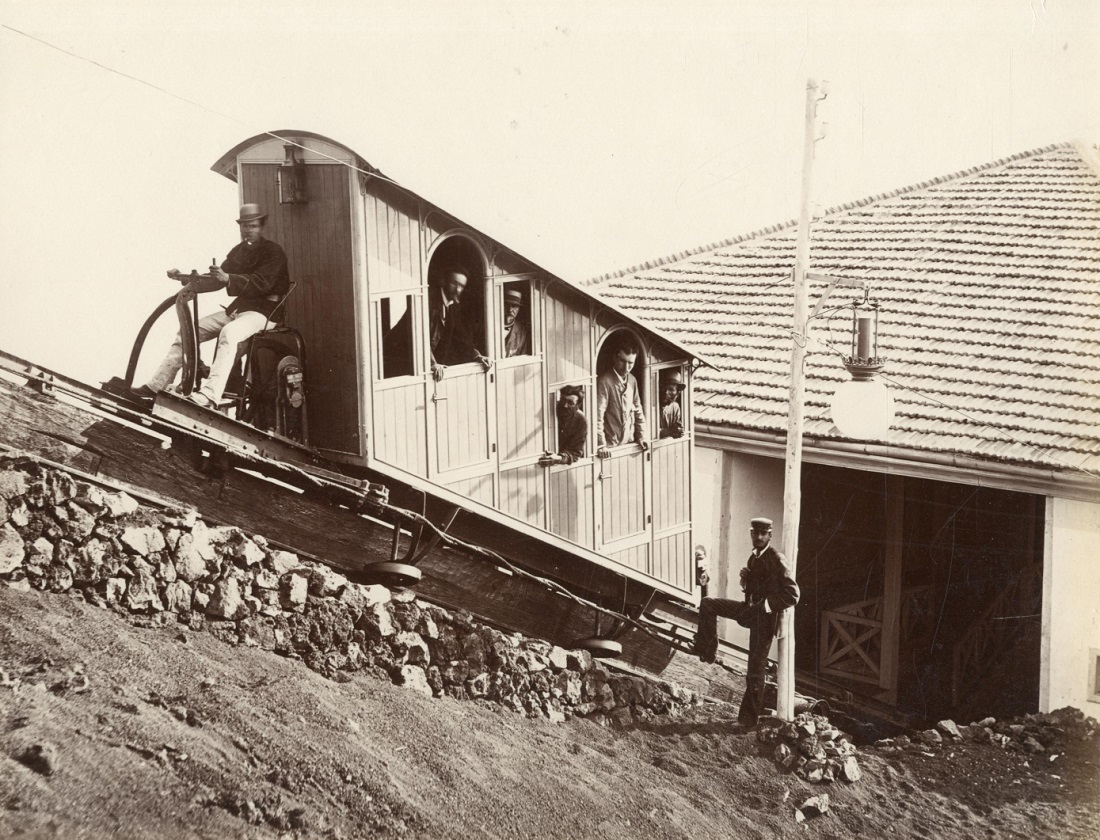
La funicolare del Vesuvio
Era l’unico impianto al mondo a quel tempo ad arrampicarsi su di un vulcano attivo. Già nel 1870, quando il Vesuvio era visitato esclusivamente a piedi o a dorso di mulo, l’ingegnere ungherese Ernesto Emanuele Oblieght affidò agli ingegneri Galanti, Sigl e Wolfart l’incarico di studiare un sistema che permettesse la salita al cono stando comodamente seduti. I tre uomini, che già avevano realizzato piani inclinati in altre parti d’Europa, portarono a termine la stesura del progetto, affidato nel 1879 all’ingegner Emilio Olivieri di Milano.
Nel frattempo, il 21 dicembre 1878, Oblieght ottenne in affitto dallo Stato 9.700 metri quadri di terreno per la somma di 150 lire annue per i successivi 30 anni e dalla Deputazione Provinciale di Napoli l’autorizzazione alla realizzazione del progetto e all’esercizio dell’impianto. Nel contratto stipulato con lo Stato, Oblieght si riservò il diritto di fondare la “Société Anonyme du Chemin de Fer Funiculaire du Vèsuve” alla quale avrebbe potuto cedere in seguito la gestione della funicolare.
Ma non tutte le grane erano state risolte; sorsero, infatti, problemi con la comunità locale che rivendicava i propri diritti sulle flotte di turisti che visitavano il Vesuvio. Oblieght fu così costretto al pagamento di 900 lire annue più una tassa su ogni passeggero trasportato. La ditta Oblieght affidò i lavori all’appaltatore Alvino; il costo dell’opera, che fu completata nel 1880, ammontò a 435.000 lire. Il 25 maggio prima dell’inaugurazione ufficiale si era riunita in Napoli la Commissione per il collaudo e il 6 giugno, verso le 5 pomeridiane, fu inaugurata la funicolare del Vesuvio. Al brindisi parteciparono il senatore Piedimonte, presidente della società esercente la linea, il sindaco di Resina e il sindaco di Napoli.
Il 10 giugno la funicolare, diretta da un certo E.Treiber, fu aperta al pubblico iniziando così il servizio regolare. L’evento fu accompagnato da un’ondata di entusiasmo in tutto il mondo, come testimonia la celebre melodia Funiculi’ Funicula’ .
Il 13 dicembre 1886 Oblieght cedette, come si era riservato di fare nel contratto del 1878, la concessione per 1.200.000 lire alla compagnia francese “Société Anonyme du Chemin de Fer Funiculaire du Vèsuve”, che aprì un ufficio in Napoli alla Via S.Brigida, 42. Ogni giorno 300 persone provarono l’ebbrezza della salita. La compagnia, tuttavia, indebitata fino al collo per gli elevati costi di gestione, e le esigue entrate dei biglietti fallì e fu costretta a sua volta a cedere la concessione per 170.000 lire alla compagnia Thomas Cook and Son, già famosa in tutto il mondo. Era il 24 Novembre 1888.
L’avvento della nuova compagnia non fu dei più felici. I Cook dovettero infatti subire le pressanti richieste estorsive delle guide locali, che incendiarono una stazione, tagliarono i cavi e spinsero giù per il burrone una carrozza. John Mason Cook, che nel frattempo era succeduto al padre Thomas morto nel 1892, giunse ad un accordo con le guide sulle somme da corrispondere per ogni passeggero trasportato. La nuova ferrovia leggera, in parte a cremagliera, costruita nel 1903 contribuì a raddoppiare il numero dei turisti trasportati al cratere. Questo spinse la compagnia a demolire i vecchi impianti ed a costruire una nuova funicolare più funzionale, con motori elettrici al posto degli antiquati e dispendiosi motori a vapore e mettere in servizio nuove carrozze.
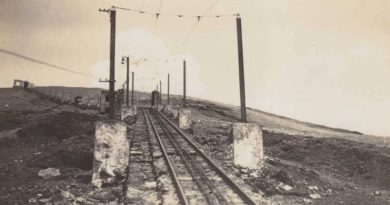
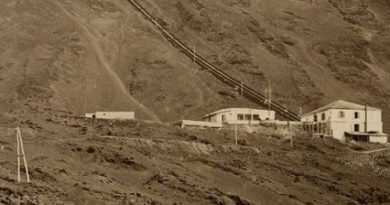
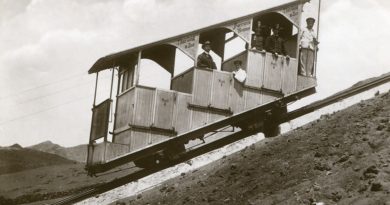
Ma il fiorire della tecnologia agli inizi di secolo fu offuscato da una tremenda eruzione, quella del 1906. Il 4 aprile di quell’anno furono avvertite le prime scosse, cosicché il personale della Cook ed i loro familiari, furono evacuati ed inviati a Pugliano. Il 7 e l’8 aprile furono distrutte la stazione inferiore e superiore, le attrezzature, i macchinari, le due vetture della funicolare; il tutto fu sepolto sotto una coltre di cenere alta 20-30m. L’attività eruttiva finì il 21 aprile e provocò una perdita d’altezza del cono, la distruzione della funicolare e dell’annesso ristorante, danni alle Ferrovie Vesuviane, oltre che un grandissimo numero di perdite umane. Testimoni oculari della vicenda, nonché eroi del dovere furono il prof. Matteucci ed altri valorosi uomini. Ma l’uomo non si diede per vinto ed in poco tempo i danni alla ferrovia furono riparati, mentre solo nel 1909 su progetto dell’ingegnere Enrico Treiber, i lavori per una nuova funicolare ebbero fine.
Ancora una volta, nel 1911, un’eruzione distrusse quello che le persone avevano costruito; la stazione superiore rimase distrutta e ci volle quasi un anno per ricostruirla. Dal 1911 in poi, la funicolare funzionò a pieno regime, rimanendo fortunatamente illesa durante l’eruzione del 1929; nel frattempo, nel 1928, i fratelli Cook si ritirarono, cosicché il controllo della funicolare e della ferrovia vesuviana passò alla “Società Anonima Italiana per le Ferrovie del Vesuvio”, associata con la casa madre Thomas Cook and Son.
Nel 1937 la suddetta società muta la ragione sociale e diviene Società Funicolare e Ferrovia Vesuviana. Ma 7 anni dopo, il Vesuvio si risvegliò per quella che sarà fino ad oggi l’ultima eruzione. La funicolare, già sotto il controllo degli alleati dal 1943 subì danni irreparabili, e non fu più ricostruita. Nel 1988 l’architetto Nicola Pagliara, già conosciuto per altri progetti simili, si aggiudicò la gara per la progettazione e la realizzazione di una nuova funicolare per il Vesuvio. Il costo dell’opera ammontava a tredici miliardi e mezzo di lire. Le imprese aggiudicatarie dell’appalto-concorso, riunite in consorzio,(la Ansaldo Trasporti di Napoli e la Ceretti-Tanfani dì Milano) avevano una scadenza: consegnare l’opera entro 450 giorni a partire dal momento della consegna dei lavori avvenuta, a metà settembre 1991, dopo aver ottenuto tutti i permessi e le autorizzazioni necessarie. A dicembre 1992 la prima comitiva di turisti avrebbe dovuto prendere posto in vettura e arrivare a quota 1.162, cioè sul bordo del cratere. All’inaugurazione, Pavarotti avrebbe dovuto cantare Funiculì funiculà. Tuttavia, dopo vari mesi, i lavori ebbero una battuta d’arresto, inciampati in una serie di cavilli, primo fra tutti lo sconfinamento di pochi metri nel territorio del Comune di Torre del Greco. Le due vetture realizzate (vedi foto) giacciono, a dispetto dei soldi che furono spesi, nel deposito dell’azienda di trasporti Clp a Pollena Trocchia (NA). La stazione di monte si trova, smontata, in un deposito ad Avellino. I binari, invece, furono prestati all’Atan, e utilizzati per un’altra funicolare, meno famosa, ma sicuramente più bisognosa, quella di Montesanto a Napoli, allora in ristrutturazione. Ci fu l’impegno a restituire il tutto, in moneta, nel momento del completamento della funicolare del Vesuvio.

Le lettighe erano l’unico mezzo di trasporto più comodo prima della funicolare 
L’ascesa al Vesuvio con le portantine 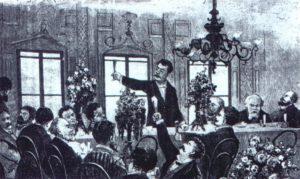
Le autorità brindano alla nuova funicolare 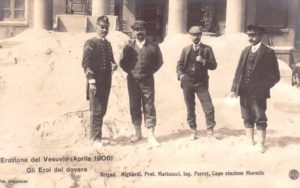
Gli eroi del dovere 
L’eruzione del 1944, seppellì in parte la stazione inferiore della funicolare 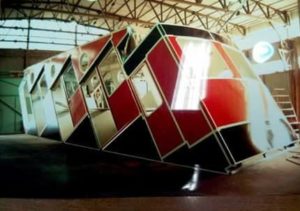
Una delle vettura costruite per la funicolare fantasma 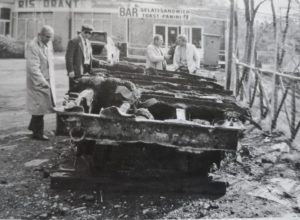
I resti di una vettura del 1909