
Le vetture
Elenco vetture in servizio sulla Funicolare Vesuviana
| Periodo di servizio | Posti a sedere | Posti in piedi |
| 1880 – 1888 | 8 | – |
| 1889 – 1904 | 10 | – |
| 1905 – 1906 | 18 | 6 |
| 1909 – 1944 | 16 | 8 |
Dal 1880 al 1888: Le prime vetture della funicolare erano assicurate al suolo da 6 ruote: due grandi, posizionate in testa ed in coda alla vettura, e quattro piccole. Le ruote grandi scorrevano su una rotaia centrale, quelle piccole, invece, scorrevano su due rotaie laterali e servivano a mantenere l’equilibrio del veicolo. Le vetture del peso di circa 50 quintali ognuna, disponevano di 8 posti a sedere più il guidatore e furono chiamate “Vesuvio” ed “Etna”. Erano fornite di un freno di emergenza, che le avrebbe assicurate alla rotaia centrale nel caso i cavi si fossero spezzati.

Dal 1889 al 1904: Gli atti estorsivi delle guide, che spinsero nel burrone una vettura, costrinsero John Mason Cook a mettere in servizio due nuove vetture con le stesse caratteristiche delle precedenti, per quanto riguarda la parte meccanica, ma questa volta aperte ai lati, con tre compartimenti che potevano ospitare fino a 10 passeggeri più il guidatore.
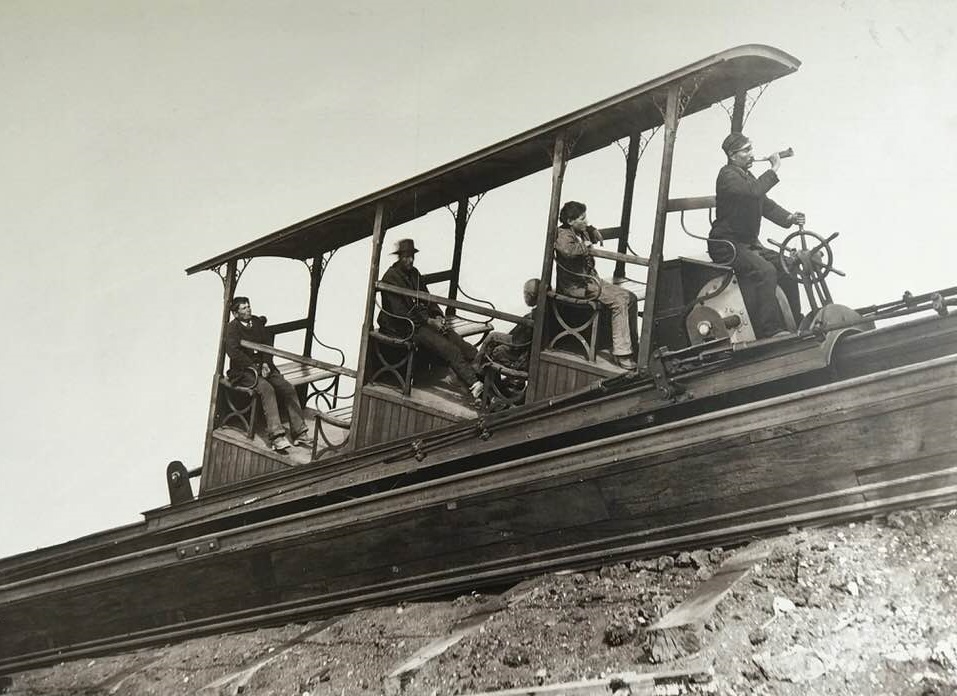
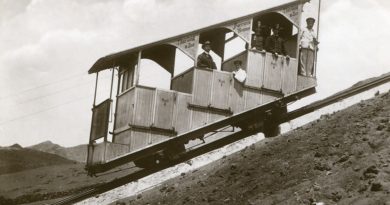
Dal 1905 al 1906: Il crescente numero di turisti spinse la Cook a mettere in servizio nuove vetture. Costruite in Svizzera, pesavano solo 4 tonnellate ed erano in grado di trasportare 18 passeggeri seduti più 6 in piedi sulle due piattaforme; dello scartamento di un metro, disponevano di 4 ruote e di porte laterali per l’entrata ai tre compartimenti. Sui lati in bella mostra le scritte “Thomas Cook and Son” e “Ferrovia Vesuviana”. Tuttavia, l’impianto non ebbe fortuna e dopo solo due anni di esercizio venne completamente distrutto insieme alle vetture, dall’eruzione dell’aprile 1906.

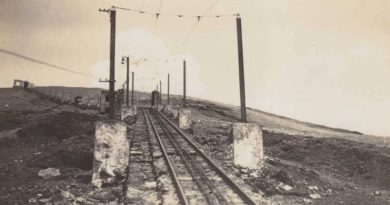
Dal 1909 al 1944: Nel 1909, grazie all’ingegnere Enrico Treiber, fu studiata e realizzata una nuova funicolare, molto più innovativa con vetture che potevano procedere per semplice aderenza. In 5 compartimenti era possibile ospitare 24 persone in 16 posti a sedere e 8 posti in piedi sulle piattaforme presenti alle estremità. Le nuove vetture erano semoventi, perché disponevano di motori elettrici a bordo alimentati da una linea aerea a 550 Volts, tramite due pantografi grazie ai quale funzionavano anche l’impianto di illuminazione di bordo, di segnalazione acustica, e la connessione telefonica. Si poterono così effettuare anche corse notturne, normalmente svolte dal 15 Maggio al 15 Settembre, perché in inverno l’escursione termica tra le due stazioni poteva raggiungere anche i 10 gradi.