

Le vetture
Elenco materiale rotabile
| Tipo | Numero | Entrata | Posti | Costruttore |
| Spintore | 1,2 | 1903 | – | SLM di Winterthur |
| Spintore | 3 | 1906 | – | SLM di Winterthur |
| Elettromotrice | 1,2,3 | 1903 | 24 | Schweizer Waggon AG |
| Elettromotrice | 4,5 | 1913 | 34 | Schweizer Waggon AG |
| Elettromotrice | 6,7 | 1929 | 44 | O.F.M. di Napoli |
| Carro Merci | 2 | – | – | n.d. |
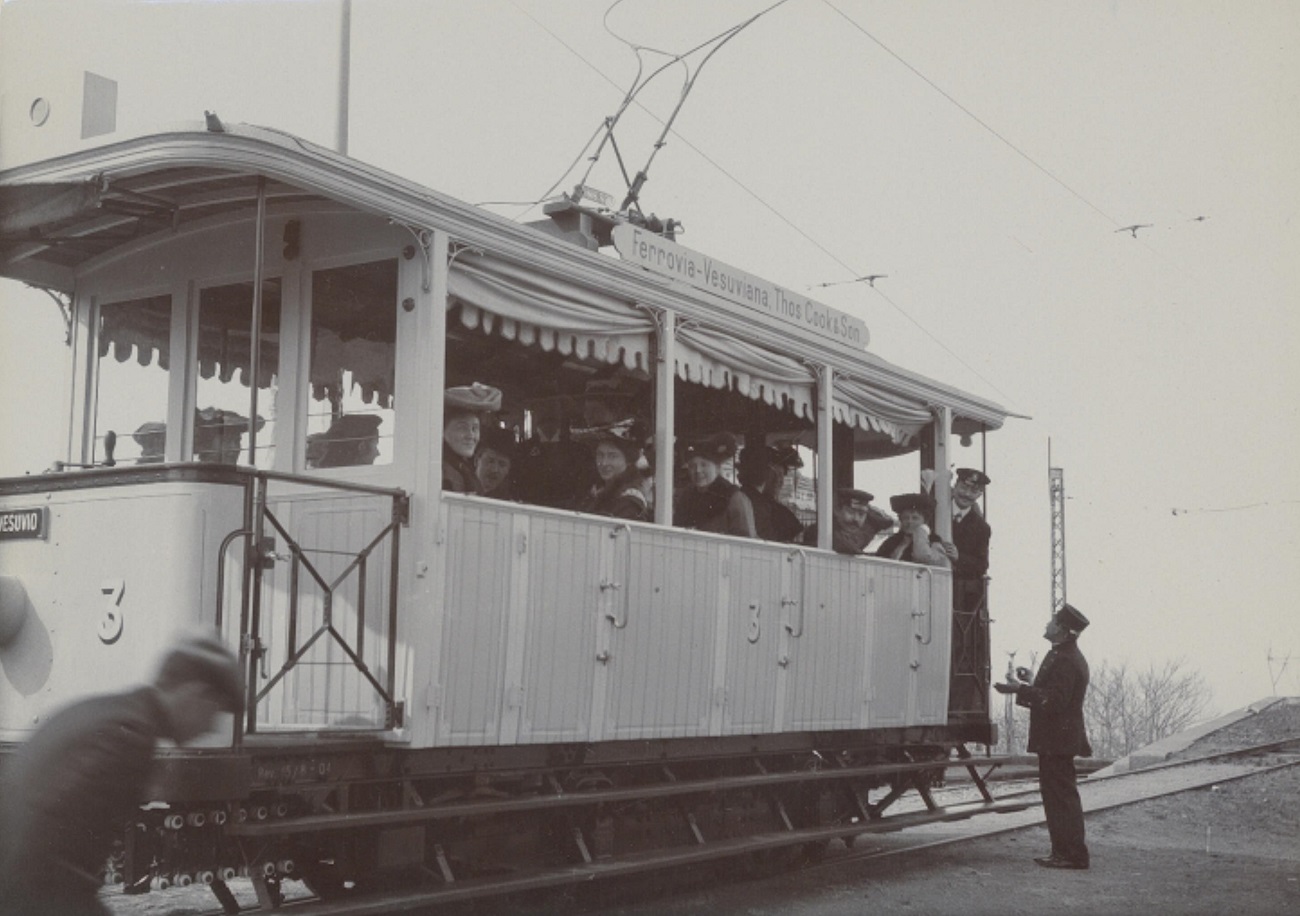
Elettromotrici n° 1,2 e 3: Furono costruite dalla Schweizer Waggon AG di Schlieren (Zurigo). Ogni vettura, delle dimensioni di un tram, disponeva di 24 posti ricavati in 3 compartimenti ai quali si accedeva da porte laterali. All’occorrenza era possibile trasportare anche scaglioni di 30 persone. Visto che erano aperte ai lati, le vetture erano fornite di tendine che venivano utilizzate per proteggere i viaggiatori in caso di pioggia o vento; lo schema di coloritura originario prevedeva la parte bassa tinta in leggero blu e la parte alta color crema. Anche le piattaforme di guida alle estremità, originariamente erano aperte e solo negli anni successivi al 1910 furono chiuse, conservando però uno strano avancorpo. Disponevano di 4 sistemi frenanti separati. Assorbivano i 550 Volts necessari al funzionamento da un pantografo. Entrarono in servizio nel 1903, ed insieme alle locomotive 1 e 2 costituivano tutto il materiale rotabile della linea alla sua inaugurazione. Furono in seguito accantonate per lasciar spazio alle nuove e più grosse vetture.

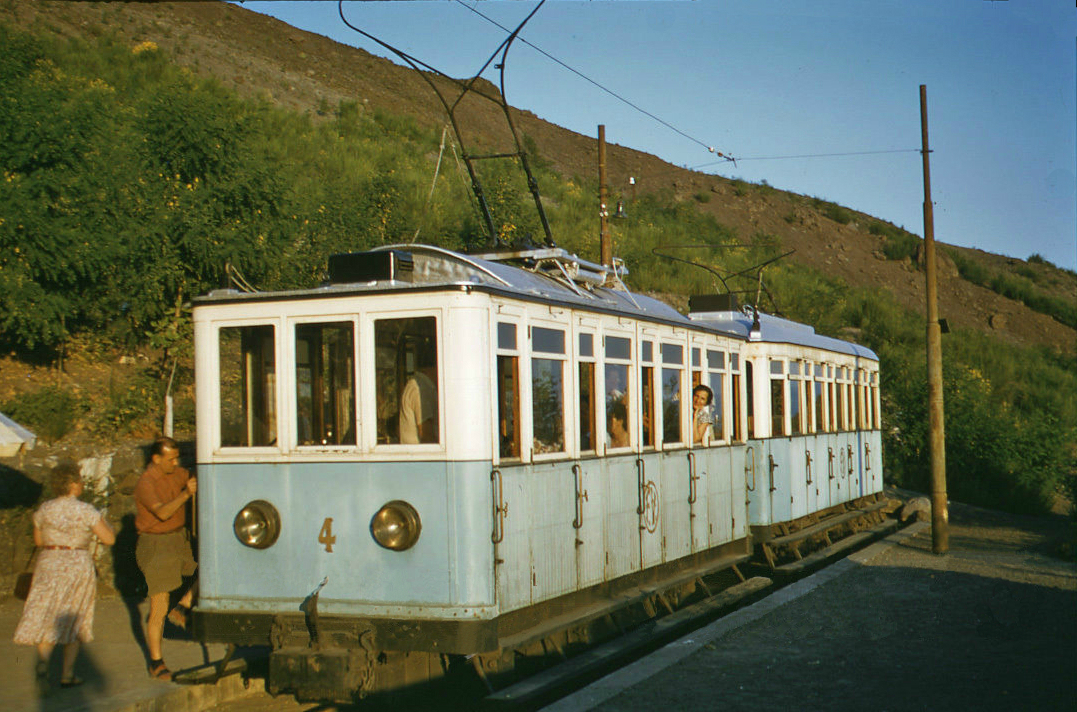
Elettromotrici n°4 e 5: Nel 1913 la ferrovia vesuviana acquistò 2 nuove vetture, la n°4 e la n°5, costruite sempre dalla Schweizer Waggon AG di Schlieren (Zurigo). Le nuove vetture erano più capienti delle precedenti; disponevano infatti di 34 posti a sedere ai quali si accedeva da tre porte laterali per ogni lato. Presentavano una linea più innovativa, con due grossi fanali sui frontali e lo stemma F.V. in bella mostra sui lati. Lo schema meccanico ed elettrico era invariato.

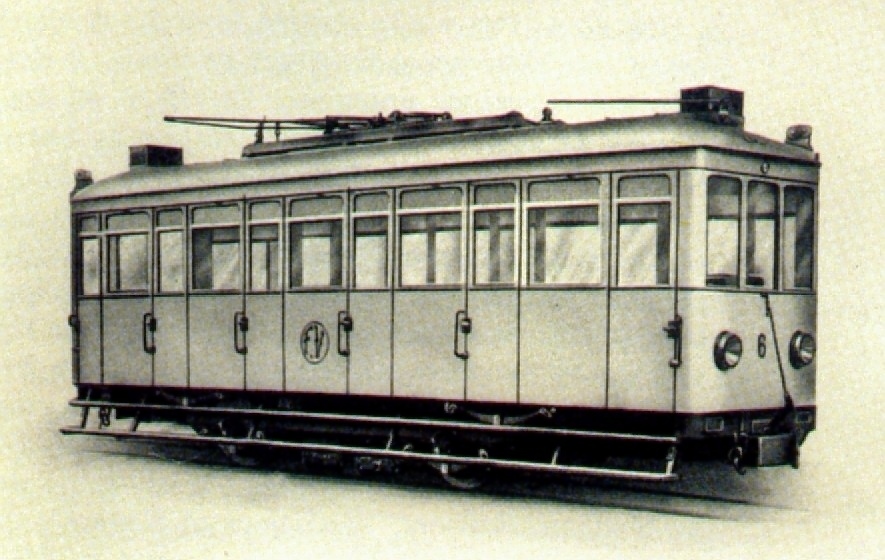
Elettromotrici n° 6 e 7: Nel 1929 altre due vetture si aggiunsero al materiale rotabile già disponibile. Costruite dalle Officine Ferroviarie Meridionali di Napoli, con carrozzeria in metallo, e non più in legno come le vetture più anziane, disponevano di 44 posti. I frontali era caratterizzati, come la N°4 e la N°5, da due grossi fanali in mezzo ai quali c’era il numero di vettura; forse erano un po’ più strette di quest’ultime ma molto più lunghe. Lateralmente, quattro porte per lato permettevano l’ingresso alla capiente vettura.

Spintori a cremagliera 1,2 e 3: Furono costruite dalla SLM di Winterthur; le locomotive N°1 e 2 entrarono in servizio nel 1903, mentre la N°3, riconoscibile dalla forma del tetto un po’ arrotondato, solo nel 1906. Si trattava di locomotive a cremagliera a tre assi, nelle quali la ruota dentata motrice era sistemata sull’asse centrale. Le vetture pesavano 10,5 tonnellate ognuna e grazie a due potenti motori da 85 H.P., riuscivano nel tratto S.Vito-Eremo caratterizzato da una pendenza compresa tra il 18 e 25 %, a spingere su una carrozza di 11 tonnellate mantenendo una velocità costante di 7 km/h. Trattandosi di motori a shunt, riuscivano in discesa a ricoverare il 60% dell’energia assorbita in salita; funzionavano insomma come dinamo. Erano fornite di tre dispositivi frenanti indipendenti: il primo agiva sulla ruota dentata motrice, il secondo sui motori ed il terzo sempre sui motori staccando l’assorbimento di energia non appena la vettura superava un prefissato limite di velocità.

Carro merci: Non abbiamo precise informazioni circa i carri merci della Ferrovia Vesuviana. Di sicuro il carro n°2 fu utilizzato per il trasporto dei materiali necessari alla costruzione della nuova seggiovia del 1953.


